
In most of the country, “best time to move” is about snow. In Orlando it’s about heat, afternoon thunderstorms, hurricane season and the rush of leases ending on the same weekend. Since 2015, we’ve moved Central Florida families in every month of the year. Here’s what each season is actually like, and how to choose a date that works.
Peak Season vs. Slow Season in Central Florida
In Orlando, as in most of the country, the busiest moving months are typically late spring and summer. Families want to move between school years, and many leases end in May through August. More demand means fewer open dates, especially on weekends.
The slower stretch usually runs from late fall through winter, outside the holiday weeks. Weather is also at its best then. Orlando’s 1991–2020 normal high is about 72°F in January and 78°F in November, compared with 92°F in July. November averages under 2 inches of rain, the driest month of the year.
Month by Month at a Glance
| Months | Weather (Orlando normals) | Demand | Our take |
|---|---|---|---|
| Jan–Feb | Highs low-to-mid 70s, dry | Lower | Great time to move. Lots of open dates. |
| Mar–Apr | Highs 79–84°F, fairly dry | Rising | Pleasant. Spring break weeks can be busy. |
| May | Highs near 88°F, rain picks up late in the month | High | Book early. School year ends. |
| Jun–Aug | Highs 91–92°F, wettest months | Highest | Book early, start early. |
| Sep | Highs near 90°F, still wet, peak of hurricane season | Medium | Keep your date flexible. |
| Oct | Highs mid-80s, dry season usually returns mid-month | Medium | A good shoulder month. |
| Nov–Dec | Highs 74–78°F, dry | Lower (except holidays) | Comfortable, with good availability. |
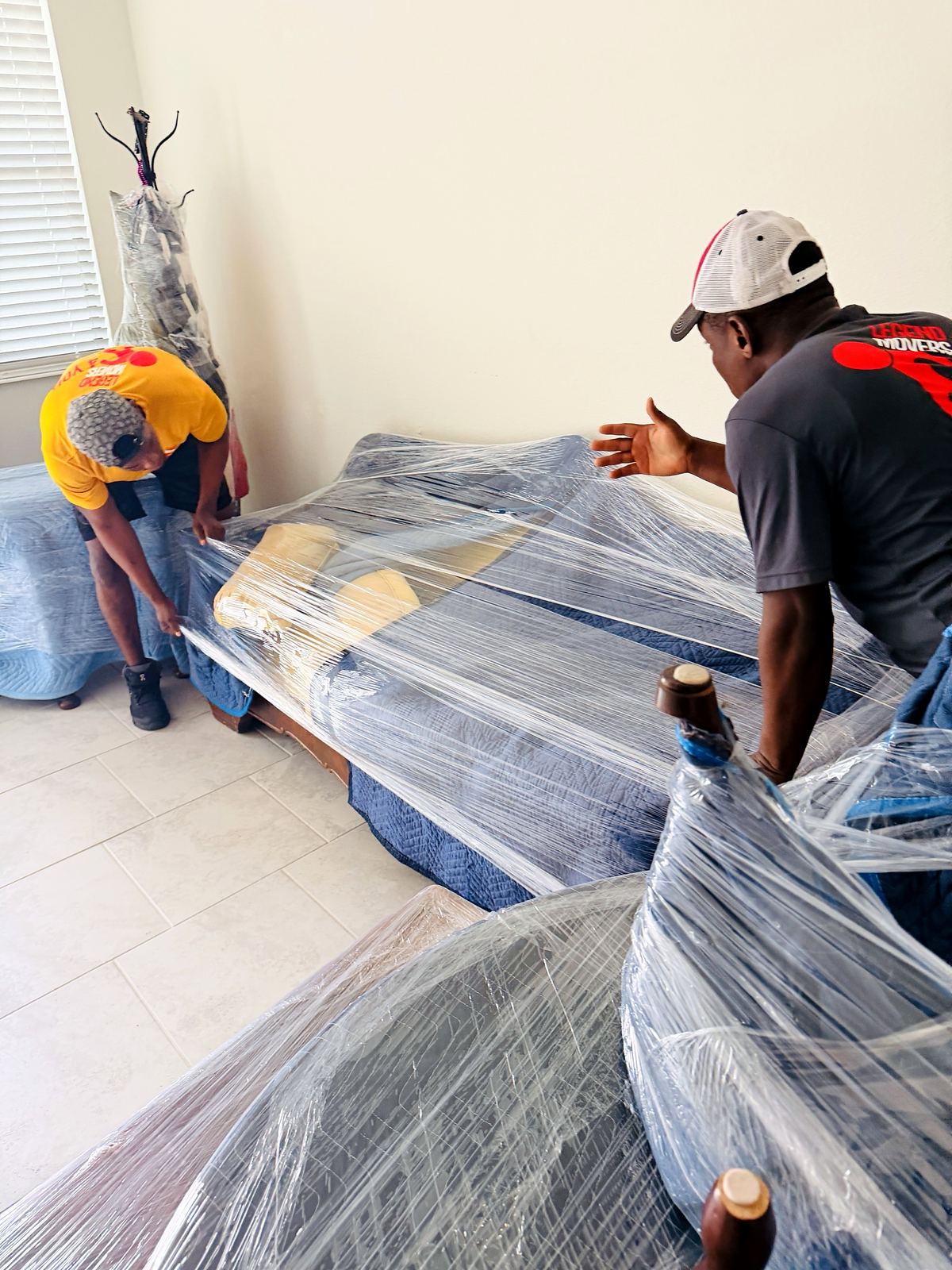
Summer Heat and Afternoon Storms
Orlando’s rainy season usually starts in the last week or two of May and runs into October. The National Weather Service in Melbourne puts the median start date around May 27 and the end of the wet season around October 15. June through September are the wettest months. Most rain comes as afternoon thunderstorms, often with lightning.
What that means for move day:
- Start early. A morning start gets most of the loading done before the heat and storms peak.
- Plan for lightning delays. Afternoon storms can slow down outdoor carrying, so leave some cushion in your day.
- Protect your things. We wrap furniture, but pack electronics and documents in sealed bins in summer.
- Stay hydrated. Keep water out for everyone, including you.
Hurricane Season and Scheduling
The Atlantic hurricane season officially runs from June 1 to November 30, with the peak usually from mid-August through mid-October. Most weeks pass with no storm at all. When one does threaten Central Florida, plans can change fast.
If you’re moving during hurricane season:
- Watch the forecast from the National Hurricane Center the week before your move.
- Have a backup date in mind in case a storm closes roads or brings dangerous winds.
- Don’t wait for the last minute if a storm is coming. Gas, supplies and trucks get scarce.
- Check your lease and closing dates. Know what happens if you need to shift a day or two.
Our phones are answered 24/7, including holidays.
Month-End, Weekends and School Calendars
Month-End Rush
Orlando has a lot of apartments, and many leases end on the last day of the month. That typically makes the last few days and the first day of each month the busiest days for movers, elevators and loading docks. If you can, move mid-month. If you can’t, book as early as possible.
Weekdays vs. Weekends
Saturdays fill up first. A weekday move often means more choice of start times, less traffic in your complex, and an easier time reserving the elevator.
School Calendars
Families with kids often want to move during summer break or winter break. On the Orange County Public Schools 2026–27 calendar, the first day of school was August 11, 2026, and the last day is May 26, 2027. Those weeks are busy, so book well in advance. Moving in early summer gives kids time to settle in before the first day.
Holidays
Thanksgiving week and the days around Christmas and New Year’s can be quiet or busy, depending on the year. If you need a holiday move, call early. We answer the phone on holidays too.
How to Book the Date You Want
- Pick two or three possible dates, ideally mid-month and on a weekday.
- Ask for a morning start from May through September.
- Confirm building rules like elevator reservations, gate access and truck parking.
- Get a free written estimate so you know the cost before you commit.
- Book early for peak dates: summer, month-end and Saturdays.
Our residential moving services cover apartments, condos and houses all over Central Florida. We’re family-owned, licensed and insured, and we only move within Florida. When you’ve narrowed down your dates, you can book your move online or call us any time for a free written estimate.
Frequently asked questions
What is the cheapest time to move in Orlando?
Slower months like January, February and November often mean more open dates and less waiting on elevators and traffic, which can help a move go faster.
Should I avoid moving during hurricane season?
Not necessarily. Most weeks have no storm. Just watch the forecast, have a backup date and stay in touch with your mover.
What time of day is best to move in summer?
Early morning. You’ll beat the worst heat and most of the afternoon thunderstorms.
How far ahead should I book an Orlando move?
For summer weekends or the end of the month, book as early as you can. For mid-month weekday moves in the slow season, call us to check open dates.
